

Key Takeaways
- Fit matters. Wear the compression garment that fits you appropriately and is the correct size to keep it from rolling during your day or run.
- Choosing premium garments with well-designed top bands and the right fabric can boost comfort and reduce rolling problems.
- By donning your garments with proper technique and support accessories, you can secure their place and efficacy all day.
- Routine maintenance such as gentle washing and even occasional replacement keeps the materials fresh and the garment effective.
- Knowing garment anatomy, like seam placement and fabric weave, can steer smarter selections for your unique requirements and comfort.
- Working with health professionals to ensure proper fit and receive follow-up evaluations keeps therapeutic gains intact.
Compression garment rolling issues occur when the material bunches or rolls at the edges, leading to irritation and an inconsistent fit. This problem frequently rears its head with socks, sleeves, and waistbands.
It causes skin impressions, diminished support, or constant readjustment during the day. Medical and active folks tend to run into these problems.
To assist you in your quest to prevent rolling, the main body provides actionable tips and solutions.
Why Rolling Happens
Compression garment rolling is the bane of many a user’s existence. Rolling typically compromises the garment’s performance, bites into comfort, and can dissuade wearing. It’s an issue derived from a combination of fit, design, body movement, and material wear. Knowing what causes rolling helps users select the appropriate wax and avoid these problems.
Incorrect Fit
Compression garments work best when they fit the user. If the garment is too small, it can dig into the skin or pinch at the edges causing it to roll down or fold. Overly large items have no such tension, and they slide and bunch.
Body shape is different for everyone. Some have wider thighs, others slimmer calves, or curvier hips. What fits me may not fit you even if we wear the same size. Poor fit causes irritation and can exacerbate skin sensitization.
Dressing too far up or unworn can exacerbate rolling. None of this stuff is real technical, but compression therapy newbies do well by starting on the low end, like 15 to 20 mmHg, and slowly working their way up. This gives the body and skin time to acclimate, which decreases rolling occurrences.
Garment Design
| Design Feature | Impact on Rolling | Notes |
|---|---|---|
| Wide Top Band | Less likely | Distributes pressure, reduces digging |
| Narrow Top Band | More likely | Can cut in, increases rolling risk |
| Silicone Grips | Less likely | Adds stability, may cause irritation |
| Short Length | More likely | Ends on wider part of limb, more rolling |
| Longer Length | Less likely | Sits higher, reduces rolling |
Top band construction is a major cause. Wide, flat bands spread force and grip more effectively, so rolling is less common. Thin bands or ones lacking any grippy texture will slide or bunch, particularly with motion.
Now, compression stockings come in various styles. Knee-highs, thigh-highs, and full tights all play with the body’s curves differently. Shorter dress skorts can end on a bigger part of the leg and cause extra rolling.
Body Mechanics
Motion throughout the day stretches and tears on the clothing. Rolling occurs when you walk, bend, or sit, particularly if the garment is already near to falling down or is gathered at the waist.
Movement and muscle contractions alter limb dimensions. Muscles swell, the shirt extends, then eases, but the cloth might not quite go back to where it was. This can cause gaps or rolls.
Good posture keeps everything aligned. Slouching or sitting with the legs crossed can increase the likelihood of rolling. Adjusting the garment when needed and being mindful of movement can help.
Material Degradation
Over time, elastic fibers weaken. Indicators such as loose threads, thinning fabric or sagging signify that the garment’s grip is compromised, which makes rolling a more probable occurrence. Others see the fabric not bouncing back anymore, particularly after multiple washes.
It depends on the material and higher-quality fabrics wear longer and hold their shape better. Sensitive skin or allergies to certain fibers can irritate and cause rolling if the skin is inflamed.
With a bit of care, it can extend garment life. Washing with mild detergent, air drying, and storing flat can extend the life of the fibers. Even so, all compression garments require replacing after a certain amount of wear to continue working optimally.
Stop The Roll
Compression garment rolling is a struggle that can diminish comfort and interfere with the garment’s benefits. Rolling causes uneven pressure, skin marks, and even impedes blood flow. Tackling this mess calls for a combination of smart decisions and solid habits. Below are practical strategies to help stop your compression garments from rolling:
- Choose the right size and fit for your body.
- Spread the material evenly across your skin.
- Use support accessories like bands or adhesive strips.
- Pick high-quality, durable fabrics.
- Follow correct application techniques each time.
- Care for garments as recommended to maintain their shape.
1. Perfect Sizing
Measuring your legs/arms with care is step one. Measure the circumference at several points, such as around the ankle, calf, and thigh, using a soft tape. Compare your measurements to manufacturers’ sizing charts. All brands fit a little different, so never assume your size!
You might need to test a couple of sizes since even a centimeter can have an impact on fit and how well it stays up. Compression that’s too tight can roll. Compression that’s too loose will slip. If in doubt, consult a doctor or specialist store staff who can provide advice.
They can recommend the appropriate pressure, typically around 15 to 20 mmHg, to acclimate you to wearing the garments and prevent premature rolling.
2. Garment Selection
Quality counts. Compression socks crafted from durable fibers such as Merino wool or moisture-wicking Nylon maintain their elasticity longer and resist rolling. Search for brands with solid engineering and customer-proven effectiveness. Some are designed to be worn all day, while others are for active use or on the road.
Check out some product reviews to find out which ones have survived the roll in real-world application. Not all compression gear is created equal. Experiment with brands and styles to find what suits you best. Concentrate on what fits with your lifestyle and feels natural.
3. Application Technique
How you wear your compression garment is equally as important as what you purchase. Always roll the material flat on your skin with no wrinkles or bunches. Never drag the stocking too far up; leave at least a two-finger gap between the top and your butt-bone.
Flip the stocking inside out, fold it onto itself, and pull it over your foot first. Wear gloves or use applicators if necessary. Try it in the mirror to get the positioning right. Begin at one to two hours a day to let your body acclimate to the garment.
4. Support Accessories
Thigh bands, garters or silicone adhesive strips work for some to keep garments in place. These might provide extra traction without chafing. We have compression wearing specific tools and accessories like donning aids and stay-up bands.
Adding a thin layer over your skirt, like leggings or tights, can provide you with more support and keep everything in place during action.
5. Proper Care
Hand or gently machine wash with mild detergent. No bleach or harsh detergents. Never put them in a dryer. Always let them air-dry flat. Folding compression wear flat — not bunched or twisted — preserves the fabric’s stretch and shape.
Check for general wear. If it’s getting thin, has holes, or is less elastic, then it’s time to swap them out.
The Sizing Dilemma
Compression rolling usually begins with the size. The sizing conundrum. The correct fit is crucial for comfort and function. Too many of us are left with clothes that roll, pinch, or feel too tight. If you get the size wrong, it can leave imprints, cause bulges, or even suffocate you. Some even abandon them, particularly in heat or while working around the house, due to such problems.
The trouble is not merely in selecting a size but in understanding what factors are significant in making that selection.
- Brand Sizing Differences: Not all brands use the same sizing rules. One company’s “medium” may fit like another’s “large.” This makes it difficult to trust size charts at face value, particularly when shopping online. For instance, a Brand A medium might accommodate a 70cm waist, whereas Brand B’s medium is more appropriate for 75cm. We recommend checking the sizing of clothes, shoes, handbags, etc. Always consult the brand’s chart before purchasing and don’t assume your size based on what you wear at other brands.
- Measuring More Than One Area: Accurate sizing needs more than one measurement. Waist, hips, thighs, and sometimes calves or arms all come into play. Some clothes require chest or ankle measurements as well. It’s not sufficient to only measure where the garment rests. Have each part measured with a soft tape, held flat against your skin but not pulled too tight. Sizes sometimes fall in between, so choose the one that corresponds to most of your key measurements. For instance, if your waist corresponds to medium but your hips correspond to large, sizing up can prevent rolling and pinching.
- Effect of Swelling: Swelling changes the game. A lot of wearers require compression post surgery or for POTS, a condition where swelling is prevalent. What fits in the morning could be too tight as swelling builds throughout the day, which can cause the garment to roll or dig into the skin. If swelling is a normal part of your routine, measure when the swelling is worst. One of the sizing dilemmas is that some physicians recommend having two sizes: one for more swollen days and one for less.
- Consequences of Poor Fit: Poor sizing can cause real problems. Too-small dresses squeeze, dig, and suffocate. Over-sized clothes skid, bunch, or roll down, rendering them worthless. For medical use, your doc can prescribe type, target pressure, and duration. Failing to size properly can cause individuals not to wear their garments at all, forfeiting both comfort and health benefits.
Garment Anatomy
Compression garments use a combination of design elements to provide support and prevent rolling. The anatomy of a garment, the weave, the fabric, the seams, is all a symphony and every thread is important to the fit, the feel, and the drape. Understanding the composition of these garments aids in identifying why rolling occurs and how to remedy it.
Top Bands
| Top Band Style | Grip Performance | Comfort Level | Common Use Cases |
|---|---|---|---|
| Silicone Lined | High | Moderate | Thigh sleeves, arm sleeves |
| Double-Layered Knit | Moderate | High | Waistbands, calf sleeves |
| Elastic Only | Low | High | Light compression, everyday wear |
| Folded Hem | Low | High | Soft tops, light wear |
Top bands hold garments in place. Silicone lining grips skin like a mofo and can be constrictive or irritating for some girls. Wider bands distribute pressure, making them less likely to dig in. Thin or slack bands tend to roll, particularly when active.
Robust elastic provides a tight fit but can be difficult to wear for extended periods. Band selection should correspond with your activity level and comfort requirements. Test driving bands is crucial. Some swear by double knits for everyday wear. Others opt for silicone for sports, even if it’s not the gentlest.
Experiment with a few to find which stays put the best without pinching.
Fabric Weave
The fabric weave determines the extent of compression you receive. Tight weaves, such as the medical-grade garments, provide solid compression and maintain garment shape. Looser knits are softer but can stretch out, losing compression and rolling at the edges.
Nylon and spandex blends are common because they strike a good balance between stretch and strength. Cotton is soft but doesn’t provide long-term hold, so it tends to roll more. Breathable fabrics count as well. Mesh panels and open weaves exhaust heat, facilitating long hours of wear.
Hardwearing weaves resist laundering and tugging, so the garment won’t sag or roll as quickly. High-spandex patterns typically grip best, but they have to be tested for skin comfort.
Seam Placement
Seam placement can have a huge effect on both comfort and rolling. Flat seams sit flush against the skin and reduce bulk, which keeps the garment in place. Seams positioned at high-movement zones, such as the hip or behind the knee, can chafe or bunch, causing fabric to roll.
Common raised or bulky seams cause red marks and irritation. Seamless designs employ special knitting to produce garments in a single piece, eliminating seam lines. It diminishes the potential for rolling and skin irritation.
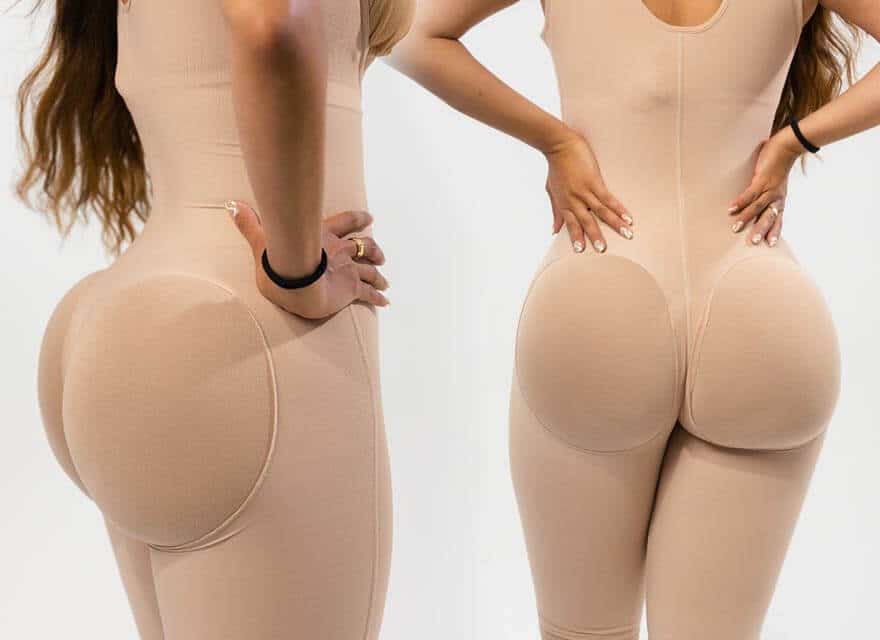
For seams, intelligent positioning, such as the side of the leg rather than the front, distributes strain and aids in flattening edges. Smart seam placement can enhance fit and give a garment extra strength, so it will last.
Therapeutic Integrity
Therapeutic integrity in compression wear means maintaining the garment’s primary function to provide consistent, correct degrees of pressure to the limb or body part. These clothes aid in the treatment of medical conditions such as lymphoedema, varicose veins, and post-surgical swelling. Any rolling, slipping, or bunching can ruin the garment’s fit and reduce the pressure it provides.
When this occurs, the piece of clothing might not facilitate circulation or aid in fluid drainage as intended. This reduces its efficacy for the wearer.
Rolling is the issue, regardless of brand or style. When a compression stocking or sleeve rolls down, the fabric bunches and creates a tight band. This band can dig into the skin, leave marks, and even restrict circulation. In some cases, it can cause additional swelling or skin problems.
You know how people who wear these kinds of garments long-term get rolling at the top of stockings, sleeves, or bandages? Take, for instance, a patient with lymphoedema in his or her arm. The sleeve will start to roll after just a couple of hours. This prevents the sleeve from functioning and can aggravate symptoms.
The proper dosing of stress is the secret to handling a lot of chronic health issues. For lymphoedema, the clothing must provide strong yet uniform compression, typically quantified in millimeters of mercury. If the garment rolls, then the pressure is no longer distributed. It accumulates in a small space.
This irregular pressure can prevent the garment from assisting fluid out of the limb. In situations such as chronic venous insufficiency, rolled stockings won’t assist veins in propelling blood to the heart. The consequence is not only less comfort, it’s less health benefit.
Your therapy has an integrity of its own, and it requires regular checks to keep the garment working right. Over time, washing, normal abrasion, or changes in physique can make the piece lose fit. Health workers will sometimes suggest checking fit every few months.
For instance, a weight loser or a gainer might require a new size. A second glance at the garment each time before wearing will capture early signs of rolling or stretched fabric. If issues arise, it is wise to consult a physician or fitter.
In a lot of areas, stores have fitters or consultants in-store or online so it is easier to stay current.
Professional Guidance
A lot of folks encounter ongoing problems with compression stockings. These issues can be tough to remedy on your own. Professional guidance can go a long way, particularly with respect to comfort and long-term wellness.
We tend to choose the wrong size or type, which causes rolling. A compression fitter, such as a medical supply fitter or trained nurse, can size the garment for an improved fit. They look for limb shape, swelling, and skin changes prior to selecting a garment. This individualized technique prevents the cloth from rolling or bunching on the hems.
Sometimes, a clinic will use a tape measure and fit you on the spot. That way, they can address problems before you even exit. Medical professionals like doctors and nurses understand the dangers of wearing an improper garment. Your doctor may prescribe a flat-knit sleeve instead of a round-knit one for difficult shapes.
Individuals with large thighs or arms may require tailor-made clothing to maintain the fabric flat and wrinkle-free. Physicians provide recommendations on daily wear time or when to transition pressure. Some individuals require more or less compression, and this varies with their health needs, swelling, or skin condition. A doctor’s expertise is crucial, particularly post-surgery or for those with persistent swelling.
Experts get more than most people. A certified lymphedema therapist or orthotist can recommend accessories such as silicone bands, skin adhesives, or specialized donning gloves. These nifty little tools assist in keeping the garment in place without pinching or rolling.
Plenty of brands provide lessons on how to don or remove the garments. Some clinics will even provide video tutorials or practice sessions for patients to master the proper technique. This practical assistance can extend the life and comfort of the garment.
Users of compression garments encounter a very common issue. Support groups, whether in person or online, provide a great opportunity to trade advice and stories about what is effective. Most folks exchange secrets on labels, wash cycles, or which creams keep the dress from sliding.
These groups can guide you in what to expect and how to consult with your doctor if issues persist. Real-life tips from the other users are practical and straightforward. They make life with compression a lot easier.
Conclusion
Compression garment rolling can decelerate healing and introduce stress. A bad fit, old fabric, or bad seams cause most rolling. Solutions such as getting the correct size, fabric, or fit and consulting a professional fitter frequently provide solutions. Others use grip sprays or bands for extra stick. Adhering to these minor steps keeps skin protected and treatment progressing. If we can locate a compression garment that keeps its place, that smooths the day over. For optimal outcomes, consult a medical professional if issues persist. Comments or advice? Post your own or seek help from a fitter. Using your compression garment correctly makes a huge difference in comfort and care.
Frequently Asked Questions
Why do compression garments roll down or up?
Compression garments roll for a few reasons: they may be too small, too loose, or have worn out elastic. Body shape and movement can cause rolling. Making sure you have the right size and quality garment prevents this problem.
How can I stop my compression garment from rolling?
Pick the correct size and look at the quality of the elastic. If you need to, use garment adhesive or silicone bands. Update old garments because elasticity diminishes with age.
Does rolling affect the garment’s therapeutic benefits?
Yes, rolling can reduce compression. It can cause uneven pressure, discomfort, and diminished therapeutic effects. Keep your garment in position for optimal compression.
What is the main sizing problem with compression garments?
Not getting the right measurements or buying the wrong size. Be sure to always measure your limbs carefully and consult the manufacturer’s size guide for optimum fitting.
Are certain body types more prone to garment rolling?
Yes, larger thighs, arms, or body shape changes will have more rolling issues. Custom-sized garments can go a long way toward a good fit.
Should I consult a healthcare professional for garment rolling issues?
Indeed, a medical professional or custom fitter can provide guidance tailored to your situation. They guarantee that your compression garment sits well and works properly.
How often should I replace my compression garment?
Change your compression garment every 3 to 6 months, or as soon as it stretches out or doesn’t fit. Changing your compression socks regularly ensures optimal therapy and comfort.