
Key Takeaways
- Retatrutide, as a GLP-1 receptor agonist, helps in skin tightening through its ability to enhance collagen generation and skin elasticity.
- Clinically, retatrutide can aid in reducing skin laxity post-weight loss and provide metabolic benefits such as fat reduction and enhanced insulin sensitivity.
- Skin tightening options come in many forms, from retatrutide and energy-based devices to injectables, surgery, and topical solutions, offering unique benefits for different concerns and skin types.
- Best suited for retatrutide are non-surgical skin tightening patients, specifically patients dealing with skin laxity from weight loss, following an in-depth consultation.
- We’ll create a customized treatment plan, follow up regularly, and combine retatrutide with healthy lifestyle habits to maximize and maintain your results.
- Safety data indicate retatrutide is generally well-tolerated, yet continuous surveillance of adverse reactions is critical for clinical management.
Retatrutide skin tightening options provide a few alternatives for those seeking tighter skin.
Retatrutide skin tightening alternatives include topical creams, non-invasive devices, and injectables. Each option acts differently to assist in tightening the skin.
Many clinics and skincare brands now provide these options, so individuals can select what suits them best. Below are the primary categories, how they function, and things to consider.
Retatrutide’s Mechanism
Retatrutide is an advanced, experimental injectable that combines three hormones for weight loss and skin tightening. Unlike older drugs that focus on just one hormone, retatrutide acts on three: GLP-1, GIP, and glucagon. This triple-action mechanism assists with appetite regulation, energy expenditure, and glucose metabolism.
By acting on all of these hormone systems simultaneously, retatrutide may aid in enhancing skin tightness as weight falls.
Cellular Action
Retatrutide works by direct cell-level alterations. It allows skin cells to receive more nutrition and hydration, which is critical for skin health. By reducing body fat, especially subcutaneous fat, this can assist skin to look tighter as fat dissipates.
Retatrutide helps reduce sagging skin during weight loss. The medication assists in transferring nutrients to skin cells, so the skin can heal and flourish more effectively. With improved circulation and hydration in the skin, the cells can operate optimally.
This is significant for smooth, healthy-looking skin. These transformations culminate in skin that appears tighter, less lax, and more uniform. Retatrutide’s triple-targeted action translates to improved general health. It helps your body use energy efficiently and maintains blood sugar balance.
These qualities can prevent skin from becoming thin or lax during weight loss. When the body is healthy, skin tends to remain taut and toned.
Collagen Impact
Retatrutide assists your body in producing additional collagen, the protein that provides skin with its strength. Collagen prevents the skin from sagging and assists it in bouncing back. Heavy weight loss often results in sagging, most notably on the face and arms.
By increasing collagen, retatrutide combats this issue. Collagen is the secret to smooth skin. It’s like a frame, holding your skin tight while the fat melts away. More collagen means less sagging and a nicer skin feel.
Retatrutide can assist the skin in maintaining its elasticity even with rapid weight loss.
| Collagen (mg/g) | Before Retatrutide | After Retatrutide (48 weeks) |
|---|---|---|
| Average | 40 | 65 |
| Weight Loss (%) | 0 | 24.2 |
With more collagen, skin tone can improve. Skin could appear more rejuvenated and even-toned. This has been great for individuals concerned about saggy or exhausted skin post-weight loss.
Clinical Evidence
Clinical trials have evaluated retatrutide effectiveness for skin tightening. Research reveals patients shed a significant amount of weight, up to 24.2% at 48 weeks, and skin sagging was lower than anticipated. Many individuals reported their skin appeared tighter and was smoother post-treatment.
The researchers discovered retatrutide was assisting with more than just weight loss. Skin quality enhanced, with improved firmness and less folding. For example, both retatrutide’s comparators in head-to-head studies were older drugs that target one or two hormones.
Retatrutide was frequently more potent for fat loss and skin tightness.
| Study Duration (weeks) | Weight Loss (%) | Skin Laxity Improved (%) |
|---|---|---|
| 24 | 16 | 45 |
| 48 | 24.2 | 68 |
What sets retatrutide apart are its head-to-head comparisons with the standard of care. This “three-way” mechanism appears to provide enhanced weight and skin benefits compared to previous alternatives.
Skin Tightening Options
Skin tightening has evolved to offer numerous options, ranging from topical creams to injectables and energy-based devices. Selecting the optimal choice depends on skin type, objectives, and downtime tolerance. Skin tightening options about treatments tend to use peptides at 2-5% for anti-aging effects, and their formulations need to be stable.
Peptides degrade when exposed to light or air. While some users notice smoother skin and improved hydration in 4-6 weeks, deeper lines or scars may take 8-12 weeks. Skin type, age, and overall health can all factor into results.
- Retatrutide injections: For systemic skin improvement and weight management
- Energy-based devices: Radiofrequency, ultrasound, or laser for a collagen boost
- Injectable treatments: Dermal fillers and biostimulators for volume and texture
- Surgical options: Facelifts, tummy tucks, and other lifts for severe laxity
- Topical creams: Peptide, retinol, and antioxidant blends for surface repair.
1. The Retatrutide Approach
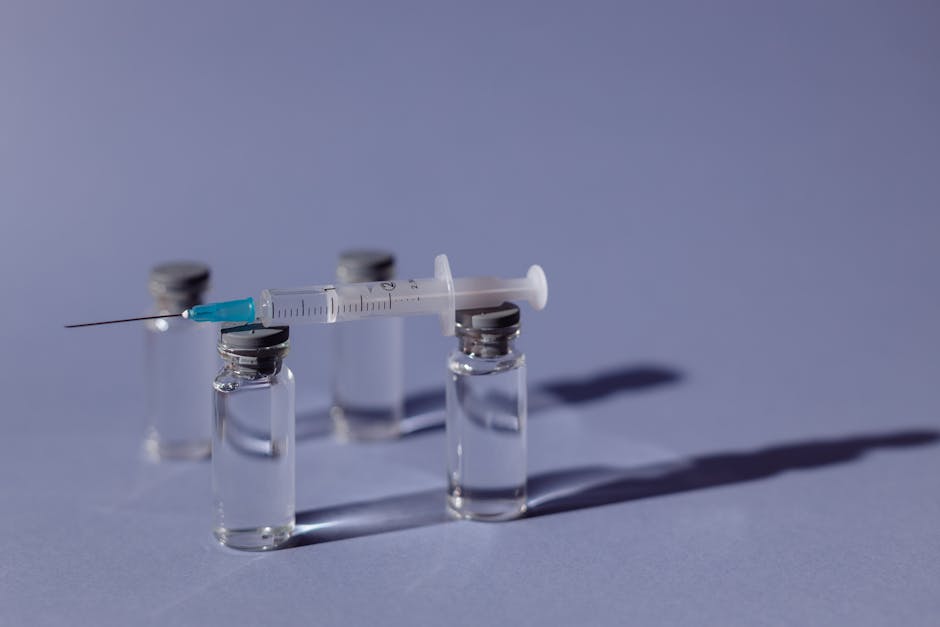
Retatrutide is a peptide-based treatment that differentiates itself with its dual advantages for skin tightening and weight management. Retatrutide, administered as a weekly injection, assists in appetite control, potentially resulting in weight loss and reduced subcutaneous fat.
It is commonly employed in massive weight loss patients, assisting with the loose skin that follows fat loss. Retatrutide’s slow, plodding route helps skin repair continue, so it’s gentler than many aggressive drips and easier for those seeking a low-maintenance regimen.
2. Energy-Based Devices
Energy-based devices like radiofrequency and ultrasound heat the underlying skin layers. This heat triggers collagen and elastin production, resulting in firmer, tighter skin over time. Results are visible within a few sessions but tend to be less dramatic than surgical lifts.
Compared to retatrutide, energy-based devices deliver faster visible results but do not necessarily treat root causes such as weight fluctuations. Some clinics pair retatrutide with device treatments to address the best of both worlds: laxity and volume loss.
3. Injectable Treatments
Injectable options encompass dermal fillers, collagen stimulators, and fat-reducing agents. Fillers replace lost volume, filling in lines and folds. Injectables can be used in conjunction with retatrutide to address facial areas such as cheeks or jawline, whereas retatrutide acts systemically.
Most discover that combining injectables with retatrutide provides immediate and long-term enhancement. Almost all injectables are safe in the hands of trained professionals, with perhaps some minor swelling or bruising.
4. Surgical Procedures
Surgery, like facelifts or tummy tucks, cuts off extra skin and tightens underlying tissues. These are best for extreme laxity when non-invasive methods don’t work. Recovery takes weeks, with risks of scarring or infection.
Surgery offers durable outcomes, though it’s more invasive and expensive than retatrutide or device-based procedures. You need a cosmetic surgeon to consult before you select these options.
5. Topical Solutions
Peptide, retinol and antioxidant topical creams can aid in surface texture and firmness. They’re convenient and accessible but do not penetrate to the deeper skin layers like injections or devices.
In the case of stable peptides, seek out airless packaging and keep out of direct sunlight. A skincare protocol coupled with retatrutide can help facilitate stronger results over time, particularly for issues of mild laxity or as a post-treatment maintenance layer.
Ideal Candidates
Applying the skin tightening benefits of retatrutide begins by considering the various ideal candidate options through a blend of physical, medical, and practical factors. The following list outlines what matters most in finding the right fit for this treatment:
- Body mass index (BMI) is a driver. Individuals with a BMI of 30 and above, or a BMI of 28 and above with weight-related comorbidities, are frequently good candidates.
- A stable weight history matters. If you haven’t lost or gained more than 5 kg in the last 90 days, you may be better suited as rapid changes can skew results of treatment.
- If you have health conditions like poorly controlled blood pressure or new-onset type 2 diabetes that have not responded adequately to lifestyle interventions, you may be considered a good candidate.
- Others catch a break with retatrutide after all else weight loss-wise has failed. Trials see up to 24.2 percent weight loss at 48 weeks in some cohorts.
- Liver health contributes as well. Those with excess liver fat can experience improvement, with research observing up to a 75% reduction in liver fat.
- It’s a must. Candidates should be amenable to adhering to a weekly dosing schedule, which is convenient for busy adults.
- Being highly motivated and willing to make lifestyle changes is key to maintaining results.
Skin Laxity
Skin laxity means the skin has lost its firmness or bounce. This may occur as we age, lose weight, or simply as a result of genetics. As skin stretches and ages, collagen and elastin fibers disintegrate, leading to sagging, particularly on the arms, belly, and face.
Retatrutide can assist these regions in providing weight reduction support and perhaps better skin tone. Patients with lax skin following weight reduction would notice tighter skin over areas such as the abdomen and thighs.
These might not be dramatic for all, but a lot can see a more toned appearance after consistent use. Taking action early is beneficial. Correcting skin laxity sooner after weight loss yields superior outcomes.
Health Profile
A complete health check prior to beginning retatrutide is important. This includes checking your heart health, blood sugar, or liver function. Individuals with stable health statuses or who can otherwise safely control their risk factors will tend to fare better.
Metabolic health is a big factor. Well-managed blood sugar levels and healthy cholesterol, for example, can help skin heal and adapt as pounds fall away.
A medical evaluation is key to rule out any risks. Patients who maintain a healthy diet and regular exercise experience more potent results from retatrutide.
Lifestyle changes, such as moving more or eating a nutrient-dense diet, complement the medication for enduring results.
Realistic Goals
Establishing clear, achievable goals prevents frustration. Retatrutide doesn’t work overnight. Noticeable results frequently begin a few weeks in and accumulate, requiring patience.
When the goal of skin tightening is aligned with wellness goals, like staying in shape and reducing stress, patients are more likely to enjoy the journey.
Support from healthcare teams and loved ones makes a difference. Continued support can maintain motivation throughout the inevitable highs and lows of weight loss.
Treatment Protocol
Retatrutide skin tightening treatments need a well-considered plan driven by physician recommendations and patient preferences. The schedule typically begins modest and escalates, with frequent check-ins to monitor outcomes and manage adverse reactions. A solid protocol is not one-size-fits-all; your plan should be aligned to your health status and objectives.
Initial Consultation
It all starts with your initial consultation. During this round, the doctor goes over your medical history, screens for health risks, and discusses your goals for treatment. This step helps eliminate any issues that can increase the risk of side effects such as nausea or dizziness that can be more prevalent in the beginning or when increasing the dose.
A thorough review of previous health problems, current medications and skin issues directs the clinician in tailoring a safe, savvy protocol. It’s when you both discuss realistic expectations, like how much weight you’re likely to shed or your skin tightening targets, to provide concrete benchmarks.
Clinical guidance is important to tailoring a plan that works for the individual, rather than adhering to a rigid one-size-fits-all template. Candid discussions of concerns, expectations, and potential side effects foster trust. It ensures that patient and provider alike are aligned from the outset.
Dosage Strategy
A standard retatrutide regimen begins at 1 mg per week for the initial two weeks, escalating to 2 mg per week during weeks 3 to 4. From weeks 5 to 8, the dose moves to 4 mg per week, then 8 mg per week during weeks 9 to 12. Most people achieve 12 mg per week from week 13 onwards. This slow titration allows the body to adapt and reduces the likelihood of side effects.
Of course, not every patient adheres to this strict regimen. Here’s the treatment protocol, which can shift based on response or objective, such as needing faster or slower weight loss. Among clinical trials, patients administered doses ranging from 5 mg to 15 mg per week.
Significant transformations would occur within months, but beginning slow and adhering to the prescribed dose is critical for optimal results. Providers are hands on, monitoring progress and modifying as needed to ensure safety.
Long-Term Plan
A powerful long-term retatrutide protocol has multiple components. These frequent check-ins, typically once a week or once every two weeks, allow providers to monitor weight, skin changes, and side effects. These appointments are an opportunity to discuss lifestyle behaviors that encourage permanent outcomes, such as nutrition, physical activity, and rest.
Pairing retatrutide with healthy habits can enhance skin tightening and help keep the weight off. Evaluations at 24 and 48 weeks assist in determining the efficacy of the protocol, and adjustments can be implemented as necessary.
Adhering to the protocol, making wise lifestyle decisions, and collaborating with a provider offers the best chance for long-term success.
A Personal Perspective
Retatrutide is shaking up the idea of skin tightening and weight loss, not just in pounds lost, but by transforming the focus to what happens in real life. It’s unique because it hits several hormone systems. Most users find the once-weekly injection convenient to integrate into their lives.
Others notice significant reductions in body weight. Research reveals as much as 24% weight loss, while some observe over 10% after several months. It’s different for everyone, which is why chatting with a health pro is critical. Retatrutide is still new, so future studies matter.
Personal stories of positive change with retatrutide:
- One woman, 45, said she had firmer skin and more energy after five months.
- A man in his thirties observed looser clothes and improved sleep.
- Many users reported that friends and family commented on their glowing complexion.
- Injections once a week are actually less stressful than taking pills every day, according to one user.
- Several reported feeling more confident in their looks and social environments.
Beyond The Scale
Wellness is more than just losing weight. Retatrutide’s impact extends well beyond the metrics. They tell me their skin tone has improved, they don’t sag as much, and they feel strong.
We here at NSVs provide a health metamorphosis inside and out.
- Clearer skin and fewer breakouts
- More stable mood and higher self-esteem
- Fitting into old clothes comfortably
- Improved sleep and better focus at work
- Feeling strong during daily tasks
Skin condition can reflect the status of the entire body. When your skin looks and feels better, that usually translates into a healthier inside as well. Taking time to observe these shifts can help maintain your motivation.
It reminds me that skin tightening is within a larger health context.
The Holistic View
A holistic approach to skin health means more than medication. Diet and exercise go a long way. Retatrutide is most effective when combined with nutritious eating and physical activity.
Others incorporate basic self-care, such as ensuring proper hydration and using mild skin care products. Mental health counts just as well. Stress drags, but self-care and good sleep get the body working hard to heal and shrink skin.
To paraphrase the old adage, those who practice wellness as an entire process get the best outcomes. Viewing retatrutide as merely a component in an overarching strategy can make those transformations more sustainable for the skin and for your body as a whole.
Future Potential
Retatrutide could be your skin tightening and weight loss gateway drug before long. Researchers are exploring how it could assist with other skin problems or function with other body types. Initial research appears promising, but additional testing is necessary.
Retatrutide’s novel approach of acting on multiple receptors may translate into more extensive potential applications down the line. As this knowledge expands, it might influence how the cosmetic and medical fields approach skin and weight in combination.
This has the potential to transform the fundamentals of non-surgical skin tightening worldwide.
Safety Profile
Retatrutide is a novel skin tightening alternative that has been examined in new clinical trials. Its safety profile is informed by these studies and how users react in practice. Most people in trials had at least some side effects, but their intensity and prevalence are highly dependent on the dose and the rate at which users progress to higher doses.
GI side effects are the most frequent. Nausea, vomiting, diarrhea, constipation, and belly pain occur in 60 to 80 percent of people who take 8 mg or more. As the dose increases from 1 mg to 8 mg, the incidence of persons with gut issues nearly doubles, demonstrating a distinct connection to higher dosage.
These symptoms are generally mild to moderate. They generally subside after a couple of months, particularly when the dosage is increased gradually. For instance, people with a slow ramp-up plan — introducing a bit more every few weeks — experience less severe stomach issues. This makes the therapy more tolerable overall because problems such as upset stomach or loose stools improve as the body adjusts to the medication.
There are heart related changes. Retatrutide may increase resting heart rate by 5 to 10 bpm, predominantly within the initial 24 weeks. Around 20 to 30 percent experience mild heart rate jumps and some report their heart beating faster than usual.
These changes typically peak around week 24 and then abate. Most cases are mild, but anyone with a heart condition or concerns about their heart should discuss with their physician prior to initiating.
There are mild liver enzyme bumps — ALT and AST. These are markers observed in blood tests that represent liver function. In retatrutide users, these figures may increase slightly but generally normalize and are asymptomatic.
We’re not sure how many people have this problem — it’s not frequent and generally mild. Injection-site reactions are less common, with 5 to 15 percent of individuals experiencing redness, itching, or small bumps at the injection site. These are typically mild and resolve spontaneously.
Less common but significant risks such as acute pancreatitis, gallstones, and severe allergic reactions are experienced by under 1 percent of individuals. These require prompt medical attention if they occur.
Physicians frequently monitor for side effects, particularly during the initiation or dosage adjustment phases. Frequent check-ups, labs, and honest discussions between patient and provider assist in identifying and addressing issues early.
For anyone considering retatrutide, these safety measures are essential to achieving positive outcomes without severe dangers.
Conclusion
Retatrutide skin tightening solutions Others notice the smoothing of lines and tightening of skin with appropriate care. Options range from topical creams to in-office treatments such as lasers. Some see great results with retatrutide alone, but others supplement for an extra punch. Every plan is based on objectives and skin type. Safety and consistency are what count. People of varying needs discover a combination that works. For optimal results, consult with a skin specialist. Explore alternatives, consider the reality, and choose what suits your lifestyle and skin. To optimize any regimen, chat with a pro and see what’s new.
Frequently Asked Questions
What is retatrutide and how does it affect skin tightening?
Retatrutide skin tightening options We don’t have any evidence that retatrutide directly tightens loose skin, but what it does do is help you lose body fat, which in turn can affect how your skin looks.
Are there proven skin tightening options besides retatrutide?
Yes, retatrutide skin tightening options include topical creams and non-invasive treatments such as laser, radiofrequency, ultrasound, and surgery. Each differs in effectiveness, safety, and recovery time. Talk to a qualified provider for the optimal option.
Who is an ideal candidate for skin tightening treatments?
Best candidates are healthy adults with minor to moderate skin laxity. Individuals who are realistic and do not suffer from any serious medical ailments tend to experience the most favorable outcomes. A medical evaluation is key.
How long does it take to see results from skin tightening treatments?
Outcomes vary by approach. You’ll see enhanced results within a few weeks to months from non-surgical treatments. Surgical skin tightening options usually yield immediate results, but healing can take more time.
Is retatrutide safe for skin tightening?
Retatrutide is not intended for skin tightening. Its safety profile with weight management is still being researched. As always, work with your doctor before beginning new medications.
Can skin tightening treatments be combined with retatrutide?
Combining treatments should be under the guidance of a healthcare professional. There is limited research on using retatrutide in conjunction with skin tightening options, making professional advice imperative.
What are common side effects of skin tightening procedures?
Side effects are treatment specific but can include redness, swelling, bruising, or discomfort. Almost all are temporary. Serious complications are uncommon when treatments are performed by skilled practitioners.